
Sedation Dentistry in Scarborough
Say goodbye to dental anxiety with sedation dentistry
Finch Midland Dental in Scarborough offers sedation dentistry — nitrous oxide, oral sedation, and IV options — so patients with dental anxiety, strong gag reflexes, or complex procedures can receive care comfortably. our team carefully reviews your medical history and procedure to recommend the right level of sedation, ensuring you stay relaxed, safe, and often with minimal memory of the appointment. Patients from Scarborough count on Finch Midland Dental for stress-free dental care. Schedule a sedation consultation or call (416) 297-6109.
What is sedation dentistry?
Sedation dentistry is a valuable tool for patients who struggle with dental anxiety or phobia, as well as those who require complex or lengthy dental procedures. Different types of sedation can be used to help patients feel more relaxed and comfortable during their treatment, depending on their individual needs and the complexity of the procedure.
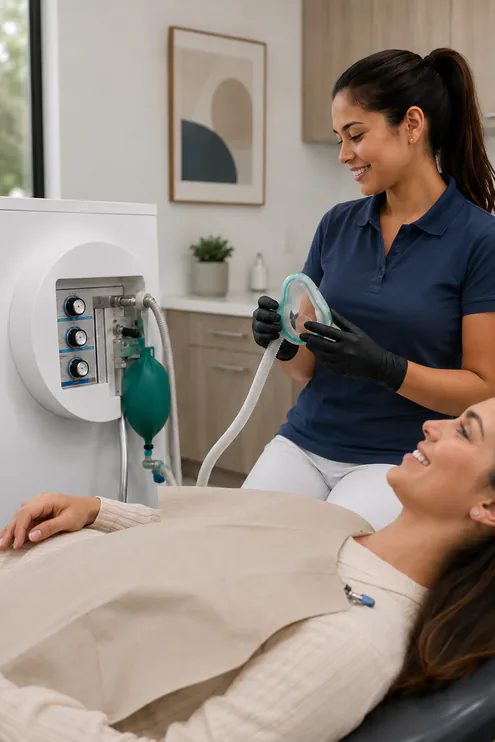
Laughing gas: One of the most common types of sedation used in dentistry is laughing gas. Laughing gas is inhaled through a mask placed over the patient’s nose, and it produces a mild, calming effect that helps to reduce anxiety and discomfort. It is a safe and effective method of sedation that wears off quickly, allowing patients to drive themselves home after the procedure.
Oral sedation: Another type of sedation commonly used in dentistry is oral sedation. This involves taking a pill before the procedure to induce drowsiness and relaxation. Oral sedation is a great option for patients who have more severe dental anxiety or who need a deeper level of sedation than laughing gas can provide. It can also be helpful for patients who have difficulty sitting still for long periods of time or who need extensive dental work.
Your sedation options depend on the your individual needs and the complexity of the procedure. Our dentist will discuss the options with you and help you make an informed decision.
Dental anxiety is real, and it keeps many people from getting the care they need. Sedation dentistry is not about hiding from the dentist — it is about making care accessible for patients who would otherwise put off treatment until a small problem becomes an emergency.
The level of sedation is matched to the patient and the procedure. Nitrous oxide is ideal for mild anxiety and short procedures because it wears off in minutes. Oral sedation works well for longer cases or patients with more significant anxiety.
Reviewed by our team · Finch Midland Dental, Scarborough, ON
What to expect during sedation
What to Expect with laughing gas
When laughing gas is administered, the first step is for the dentist or dental assistant to fit a small mask over the patient’s nose. The mask is connected to a machine that delivers a mixture of laughing gas and oxygen. The patient will then breathe normally through the mask, inhaling the gas mixture. Within a few minutes, the patient will begin to feel the effects of the gas, which include a mild sense of euphoria and a feeling of relaxation. The dentist or dental assistant will monitor the patient’s response to the gas and adjust the mixture as needed to ensure that the patient remains comfortable throughout the procedure. Once the procedure is complete, the mask is removed and the patient is monitored until the effects of the gas wear off completely.
What to Expect with Oral Sedation
During oral sedation, the patient takes a pill before the procedure, typically about an hour before the appointment. The sedative medication induces a state of drowsiness and relaxation, helping the patient to feel more at ease during the procedure. Patients who undergo oral sedation will typically remain awake and aware, but may feel groggy and have impaired memory of the procedure. It’s important to arrange for a trusted friend or family member to drive the patient home after the procedure, as the sedative effects can last for several hours. Your dentist will provide you with specific instructions to follow before and after the procedure to ensure the best possible outcome.
More Questions about Sedation?
Contact our office today to schedule a consultation. We can answer any question you have about sedation and address any issues unique to your specific situation. We look forward to seeing you.
Transcript

Why is sedation dentistry so important?
According to the American Dental Association (ADA), approximately 22% of American adults (age 18 and over) avoid going to the dentist due to fear or anxiety. This means that nearly 1 in 4 adults in the United States are not receiving the dental care they need, which can lead to a host of dental problems and potential health issues.
Sedation dentistry is important because it allows patients who struggle with dental anxiety or phobia to receive the dental care they need without undue stress or discomfort. If you struggle with dental anxiety, it’s time to call Finch Midland Dental for a consult. We can go over all of your sedation dentistry options.
Transcript
Reasons for sedation dentistry
Dental anxiety or phobia
Many people experience anxiety or fear related to dental visits or procedures, which can make it difficult for them to seek dental care or undergo necessary procedures. Sedation dentistry can help to alleviate this anxiety and promote relaxation, making it easier for patients to receive the care they need.
Fear of needles or drills
Some patients may be afraid of needles or drills, which are commonly used in dental procedures. Sedation dentistry can help to reduce anxiety related to these instruments, making the experience more comfortable and less stressful.
Sensitive teeth or gums
Patients with sensitive teeth or gums may experience discomfort during dental procedures, which can make it difficult to undergo necessary treatment. Sedation dentistry can help to reduce this discomfort and promote relaxation during procedures.
Low pain threshold
Patients with a low pain threshold may experience significant discomfort during dental procedures, which can make it difficult to undergo necessary treatment. Sedation dentistry can help to reduce pain and promote relaxation during procedures, making the experience more comfortable.
Strong gag reflex
Some patients may have a strong gag reflex, which can make it difficult to undergo certain dental procedures. Sedation dentistry can help to reduce this reflex, making the experience more comfortable for the patient.
Difficulty sitting still
Some patients may have difficulty sitting still for long periods of time, which can make it difficult to undergo complex or lengthy dental procedures. Sedation dentistry can help to promote relaxation and reduce discomfort, making it easier for patients to remain still during procedures.
Complex dental procedures
Some dental procedures can be complex or lengthy, requiring significant time and effort from the patient. Sedation dentistry can help to make these procedures more comfortable and less stressful for the patient.
Previous negative dental experiences
Patients who have had negative experiences with dental care in the past may be reluctant to seek treatment or undergo necessary procedures. Sedation dentistry can help to alleviate anxiety related to these experiences and promote relaxation during future procedures.
Physical or cognitive disabilities
Patients with physical or cognitive disabilities may have difficulty undergoing dental procedures without assistance. Sedation dentistry can help to promote relaxation and reduce discomfort, making it easier for these patients to receive the care they need.
Traumatic dental injury or PTSD
Patients who have experienced traumatic dental injuries or who have post-traumatic stress disorder (PTSD) may experience anxiety or fear related to dental procedures. Sedation dentistry can help to alleviate this anxiety and promote relaxation during procedures, making it easier for patients to receive necessary care.
More Questions about Sedation Dentistry?
Some of the most common dental services performed with sedation dentistry include root canals, tooth extractions, dental implants, and complex restorative procedures.
Contact our office today to schedule a consultation. We can answer any questions you have about sedation dentistry options and address any issues unique to your specific situation. We look forward to seeing you.
Why Choose This Treatment
Eliminates Dental Anxiety
Sedation completely removes the fear and stress associated with dental visits, allowing you to receive essential care without emotional or psychological barriers.
Feel Calm and Comfortable
Sedation medications create a deeply relaxed state so you remain at ease throughout the entire procedure — no tensing up, no gripping the armrests.
Safe and Monitored Throughout
Your blood pressure, heart rate, and oxygen levels are monitored continuously during sedation. your dentist is fully trained in sedation protocols to keep you safe.
Multiple Sedation Levels
From mild nitrous oxide for routine visits to deeper oral sedation for complex procedures, we match the level of sedation to your specific anxiety level and treatment plan.
More Work Done Per Visit
With sedation, your dentist can accomplish more comprehensive treatment in a single appointment, reducing the total number of visits needed to complete your dental care.
Is Sedation Dentistry Right for You?
Sedation Dentistry is a good fit if you are:
- Patients with significant dental anxiety or phobia
- Patients with strong gag reflex
- Patients needing long or complex procedures
- Patients who can't sit comfortably for treatment due to medical conditions
This may not be the right option if:
- Patients with certain heart or lung conditions
- Patients with allergies to sedative medications
- Patients taking conflicting medications
- Patients without a ride home after oral sedation
What to Expect During Your Sedation Dentistry Visit
Here is exactly what happens at your appointment at Finch Midland Dental. Knowing each step makes the experience far less intimidating — and lets you relax knowing what comes next.
- 1. Medical screening. our team reviews your full health history, medications, allergies, and prior sedation experience. This determines which sedation is safest for you.
- 2. Nitrous oxide. Breathing nitrous through a small nose mask, you feel relaxed within minutes — aware but calm. Effects wear off in 5 minutes after the mask comes off.
- 3. Oral sedation. A pill taken 30–60 minutes before your appointment produces a drowsy, relaxed state. You'll need a ride home.
Common Concerns About Sedation Dentistry
These are the questions patients at Finch Midland Dental ask most often before committing to treatment. our team addresses each one honestly at your consultation.
"Isn't sedation risky?"
When performed by a trained dentist with proper monitoring, sedation is very safe. our team reviews your full medical history, monitors vital signs throughout, and selects the level of sedation appropriate for your health and procedure.
"I'm afraid I won't wake up"
Dental sedation is conscious sedation — you're relaxed but breathing on your own throughout the procedure.
"Does sedation cost a lot?"
Costs vary by level — nitrous oxide is the most affordable, oral sedation costs more. For anxious patients, the ability to actually receive care makes the investment worthwhile.
Risks and Considerations of Sedation Dentistry
Every procedure has tradeoffs, and transparent conversation about them is part of informed consent. our team reviews these at your consultation and answers every question before treatment begins.
- Allergic reactions to sedative medications
- Respiratory depression (rare, monitored closely)
- Nausea or vomiting after sedation
- Temporary memory impairment of the procedure (often desired)
- Adverse interaction with other medications (screened beforehand)
Frequently Asked Questions About Sedation Dentistry in Scarborough
Sedation dentistry involves the use of medications to help patients relax and remain calm during dental procedures.
Yes, sedation dentistry is generally considered safe when administered by a trained and experienced dentist.
Sedation dentistry may be a good option for patients with dental anxiety, fear of needles or drills, sensitive teeth or gums, a low pain threshold, a strong gag reflex, or difficulty sitting still for long periods of time.
Patients should follow their dentist’s instructions for preparing for sedation dentistry, which may include fasting before the procedure and arranging for transportation home afterwards. It is also important to disclose any medications or health conditions to the dentist before the procedure.
Yes. At our Scarborough dental office we offer sedation dentistry to patients in Scarborough and the surrounding area. Contact our office today to schedule an appointment.
When performed by a trained dentist with proper monitoring, sedation dentistry is very safe. our team reviews your full medical history, monitors vital signs throughout the procedure, and selects the level of sedation appropriate for your health and the procedure.
Nitrous oxide and oral sedation keep you awake but deeply relaxed. You remain conscious and breathing on your own throughout the procedure.
Some insurance plans cover sedation when medically necessary (for example, for oral surgery or patients with diagnosed dental phobia). Coverage varies. We verify benefits and discuss cost in advance.
Medical Disclaimer
This content is for informational purposes only and does not constitute dental or medical advice, diagnosis, or treatment. Sedation carries risks including allergic reaction, respiratory depression, nausea, and adverse interaction with other medications. our team reviews your health history carefully and monitors you throughout the procedure to manage these risks. Consult our team or a qualified dental professional regarding any questions about your oral health. Individual results may vary.
Learn More About Sedation Dentistry in Scarborough
Contact our office to discuss how this treatment can help you achieve your dental health goals.