TMJ Treatment
Experience relief from TMJ symptoms with a personalized approach at our Scarborough dental office
Finch Midland Dental in Scarborough provides comprehensive TMJ (temporomandibular joint) diagnosis and treatment — from custom splints and bite therapy to lifestyle modifications and pain management. our team evaluates your jaw function, bite alignment, and muscle tension to identify the root cause of your symptoms and develop a personalized treatment plan. Whether you’re dealing with jaw pain, headaches, clicking, or difficulty chewing, we can help. Schedule your TMJ consultation or call (416) 297-6109.
What is Temporomandibular disorder (TMD) or temporomandibular joint disorder (TMJ)?
Temporomandibular disorder (TMD), also known as temporomandibular joint disorder (TMJ), is a condition that affects the joint that connects the jawbone to the skull. This joint is one of the most complex joints in the human body, and when it is not functioning properly, it can cause a range of painful symptoms.
Symptoms of TMD can include pain or tenderness in the jaw, face, or neck, difficulty opening or closing the mouth, clicking or popping sounds when opening or closing the mouth, and headaches. Some people with TMD may also experience a locking of the jaw, making it difficult to open or close the mouth.
TMJ disorders have multiple possible causes — bite misalignment, bruxism (teeth grinding), arthritis, muscle tension, or trauma. our team begins with a thorough evaluation: palpating the jaw muscles and joint, analyzing your bite with articulating paper, reviewing imaging, and discussing your symptom history. Treatment is tailored to the specific cause — not a one-size-fits-all splint.
Reviewed by our team · Finch Midland Dental, Scarborough
The causes of TMD are not always clear, but several factors have been identified as potential triggers. These can include a misalignment of the teeth or jaw, teeth grinding or clenching, arthritis in the joint, and injuries or trauma to the jaw.
Diagnosing TMD can be challenging, as there is no single test to confirm the condition. A healthcare provider will typically perform a physical exam, take a medical history, and order imaging tests, such as X-rays or an MRI, to rule out other potential causes of the symptoms. Additionally, dentists may use diagnostic techniques such as measuring the range of motion of the jaw or assessing the patient’s bite to aid in the diagnosis of TMJ.
Unusual TMJ symptoms
There are certain signs of TMJ that often go ignored because people don’t realize there is a correlation. These signs include:
- Hearing loss: In rare cases, TMJ can cause hearing loss or tinnitus (ringing in the ears). This is because the temporomandibular joint is located close to the ear, and when it is not functioning properly, it can affect the surrounding tissues.
- Neck and shoulder pain: TMJ can cause pain and tension in the neck and shoulders, as well as headaches and migraines. This is because the muscles and nerves in the jaw and face are interconnected with those in the neck and shoulders.
If you experience any of these symptoms or signs, it’s important to schedule a consultation with our Scarborough TMJ dentist to determine if TMJ treatment is necessary.
Common Symptoms of Temporomandibular joint disorder (TMJ)
Jaw Pain
Pain in the jaw is one of the most common symptoms of TMJ. The pain may be felt in one or both sides of the jaw and may be dull or sharp in nature. The pain may also be accompanied by a feeling of tightness or stiffness in the jaw.
Clicking or Popping Sounds
Many people with TMJ experience clicking or popping sounds when they open or close their mouth. These sounds are caused by the movement of the jawbone over the disc that separates the jawbone from the skull.
Difficulty Chewing or Opening the Mouth
TMJ can make it difficult to chew food or open the mouth wide. Some people may feel like their jaw is “locked” or “stuck” in a certain position, making it difficult to move the jaw at all.
Headaches?
TMJ can cause tension headaches, which are often felt in the temples or the back of the head. These headaches are caused by the muscle tension that is associated with TMJ.
Ear Pain or Ringing
TMJ can cause pain or ringing in the ears. This is because the temporomandibular joint is located close to the ear, and when it is not functioning properly, it can affect the surrounding tissues.
Facial Pain
TMJ can also cause pain in the face, particularly around the cheekbones or temples. This pain may be constant or intermittent and may be accompanied by a feeling of pressure or tightness in the face.
More Questions about TMJ?
Contact our office today to schedule a consultation. We can answer any questions about TMJ treatment and address any issues unique to your specific situation. We look forward to seeing you.
Transcript
What to expect during A TMJ examination
Expect Questions
During the exam, our dentist will ask you questions about your medical history and any symptoms you are experiencing in order in pinpoint the source of discomfort.
Expect A Physical Exam
Our dentist will perform a physical examination of the jaw, including checking for pain or tenderness and assessing your range of motion. You will be asked to open and close your jaw in order to check your bite and alignment.
Expect Xrays
We may also take X-rays or other imaging tests to further evaluate the joint and surrounding structures. Based on the findings, your dentist will develop an appropriate treatment plan to help manage your TMJ symptoms.
Ready for a TMJ consult?
Contact our office today to schedule a consultation. We can answer any questions you have about TMJ and address any issues unique to your specific situation.
Lifestyle Modifications and home remedies
For most patients, TMJ symptoms can be improved with some of the following lifestyle modifications:
- Reduce stress and practice relaxation techniques
- Use over the counter pain relievers, and anti-inflammatories
- Practice jaw exercises as instructed by your dentist
- Use warm compresses
- Eat softer food during TMJ flareups
- Avoid chewing gum
- Be mindful of overextending the jaw when yawning
- Massage therapy can relieve tension in the jaw muscles and reduce TMJ pain
If you experiencing TMJ pain, call us to schedule a TMJ evaluation with our Scarborough TMJ dentist.
TMJ Treatment Options
For those with moderate to severe TMJ symptoms, treatment options include:
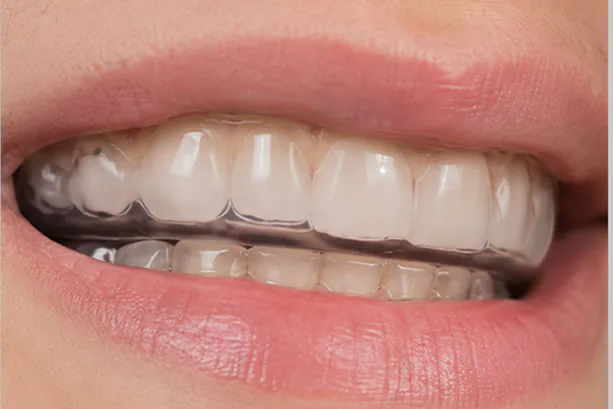
- Bite correction: Custom dental splints called “mouth guards” can reduce and manage TMJ pain. A bruxism mouthguard will help provide cushioning against tooth grinding and reduce pain. A TMJ mouthguard will also reduce clenching and keep the teeth aligned. For some patients, orthodontic treatment provides the perfect solution. Dental braces can straighten the teeth and aligning the jaws to eliminate TMJ pain.
- Injections: Injections of corticosteroid can reduce inflammation and chronic jaw pain. Botox injections can also be used to paralyze the jaw muscles to alleviate symptoms and prevent clenching.
Arthroscopy, anthrocentesis and jaw surgery are options for the most severe cases of TMJ. These are procedures that are only performed by oral or maxillofacial surgeons and should only be considered after non-invasive options have been exhausted.
If you are suffering from TMJ pain, call us today for a consultation.

Why is TMJ treatment necessary?
TMJ treatment is necessary to alleviate pain and discomfort associated with TMJ disorders. If left untreated, TMJ disorders can worsen and cause long-term damage to the jaw joint and surrounding structures. TMJ treatment can improve jaw function and restore proper alignment of the jaw. It can also improve overall quality of life by reducing pain, headaches, and other symptoms associated with TMJ disorders.
Benefits of Professional TMJ Treatment
Professional TMJ treatment addresses the root cause of your jaw pain and discomfort:
Pain Relief
Targeted treatment reduces or eliminates jaw pain, headaches, earaches, and facial discomfort that TMJ disorders cause.
Custom Oral Appliances
A custom-fitted night guard or splint repositions your jaw to reduce grinding, clenching, and joint stress while you sleep.
Restored Jaw Function
Treatment helps restore normal jaw movement, making it easier to eat, speak, and open your mouth without clicking or locking.
Non-Surgical Options
Most TMJ disorders can be effectively treated with conservative, non-surgical approaches including appliances, exercises, and lifestyle modifications.
Prevents Further Damage
Untreated TMJ can lead to tooth wear, cracked teeth, and worsening joint degeneration. Early treatment protects your teeth and jaw long-term.
Frequently Asked Questions About TMJ Treatment
TMJ stands for temporomandibular joint disorder, which is a condition that affects the jaw joint and surrounding muscles. Treatment for TMJ can vary depending on the severity of the disorder, but can include lifestyle modifications, bite correction with splints or mouthguards, injections, arthroscopy and arthrocentesis, and in rare cases, surgery.
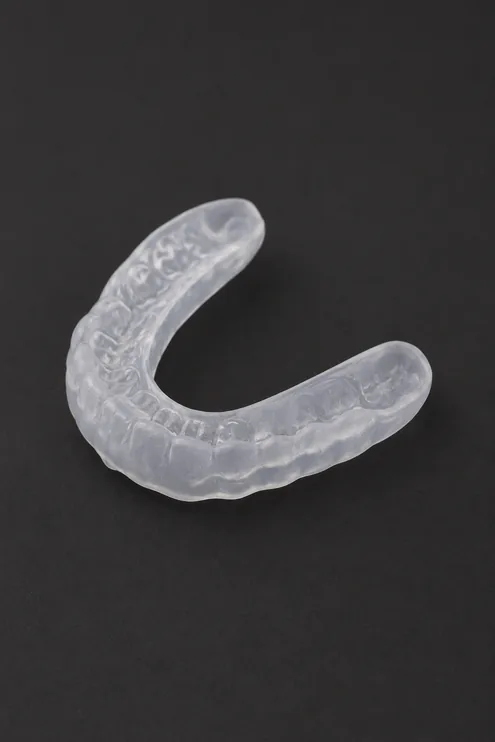
There are two main types of dental splints for TMJ treatment: TMJ mouthguards and bruxism (tooth grinding) mouthguards. A TMJ mouthguard is a hard piece of plastic that repositions and stabilizes the jaw, while a bruxism mouthguard can be made of either hard plastic or soft and pliable material to cushion and reduce pain associated with clenching.
Corticosteroid injections help reduce inflammation and pain in the TMJ joint, and can provide temporary relief from TMJ symptoms. The procedure is minimally invasive and takes less than 30 minutes with no recovery time.
Botox is a neurotoxin that paralyzes the muscles in the jaw, preventing clenching and alleviating TMJ symptoms. The procedure is minimally invasive with minimal side effects.
Yes. At our Scarborough dental office we offer TMJ treatment to patients from Scarborough and the surrounding area. Contact our office today to schedule an appointment.
Common Concerns About TMJ Treatment
"Will I need surgery for TMJ?"
The vast majority of TMJ cases do not require surgery. Conservative treatments — custom splints, physical therapy, bite adjustment, stress management, and anti-inflammatory medications — resolve symptoms for most patients. Surgery is only considered when conservative approaches have failed after 6+ months and imaging confirms a structural problem in the joint itself.
"My jaw clicks but doesn't hurt — should I still see a dentist?"
Yes. Painless clicking or popping can indicate disc displacement in the TMJ, which may or may not progress to a painful condition over time. An evaluation now establishes a baseline and allows our team to monitor for changes. Early intervention — even simple lifestyle modifications — can prevent the condition from worsening.
"Does insurance cover TMJ treatment?"
Coverage varies significantly by plan. Some dental plans cover occlusal splints, while medical insurance may cover TMJ-related physical therapy or imaging. We help navigate your benefits and provide documentation for pre-authorization when possible.
Risks and Considerations
- TMJ disorders can have multiple contributing causes — a comprehensive evaluation is needed for accurate diagnosis
- Custom splints require an adjustment period (1–2 weeks) and may temporarily change how your bite feels
- Chronic TMJ conditions may require ongoing management rather than a one-time cure
- Untreated TMJ dysfunction can lead to chronic pain, accelerated tooth wear, and progressive joint damage
- Self-treatment with over-the-counter night guards (without professional evaluation) can worsen some TMJ conditions
Medical Disclaimer
This content is for informational purposes only and does not constitute dental or medical advice, diagnosis, or treatment. TMJ disorders have multiple possible causes and treatment outcomes vary by individual. Some cases require referral to an oral surgeon or TMJ specialist. Consult our team or a qualified dental professional regarding your symptoms and treatment options. Individual results may vary.
Learn More About TMJ Treatment
Contact our office to discuss how this treatment can help you achieve your dental health goals.